
In a world where video games and streaming marathons compete for attention, getting kids moving can feel like an uphill battle. But fear not! Youth fitness training isn’t just about breaking a sweat; it’s about instilling a lifestyle that combines fun, energy, and health. Imagine your child trading in their controller for a jump rope—now that’s a win-win!
Overview Of Youth Fitness Training
Youth fitness training encompasses structured activities designed to promote physical health and wellness among children. Key objectives involve enhancing strength, flexibility, endurance, and overall physical fitness. Emphasizing enjoyment in physical activities attracts children to engage consistently.
Training programs often incorporate a variety of exercises suitable for different age groups. For instance, younger children benefit from playful activities like games or obstacle courses. Older children might participate in more advanced workouts, such as weight training or aerobic exercises, tailored to their developmental stage.
Research indicates that regular physical activity during childhood leads to numerous benefits. It can improve academic performance, boost self-esteem, and foster social skills. Many fitness experts suggest that kids should aim for at least 60 minutes of moderate to vigorous activity daily. Integrating different types of exercises keeps routines interesting and helps develop diverse skill sets.
Structured programs often emphasize functional fitness, which promotes movements useful in everyday life. Skills gained from these programs include running, jumping, and climbing, enhancing children’s ability to navigate their environment confidently.
Incorporating nutrition education into fitness training is also crucial. Teaching children about healthy eating habits complements their physical activities, helping them make informed choices. When children understand the relationship between diet and fitness, they adopt healthier lifestyles.
Engaging parents in this process strengthens the overall effectiveness of youth fitness training. They play a vital role in encouraging their children to stay active and make sustainable lifestyle choices. A collaborative approach involving educators, trainers, and families fosters a supportive environment that promotes lifelong fitness habits.
Benefits Of Youth Fitness Training
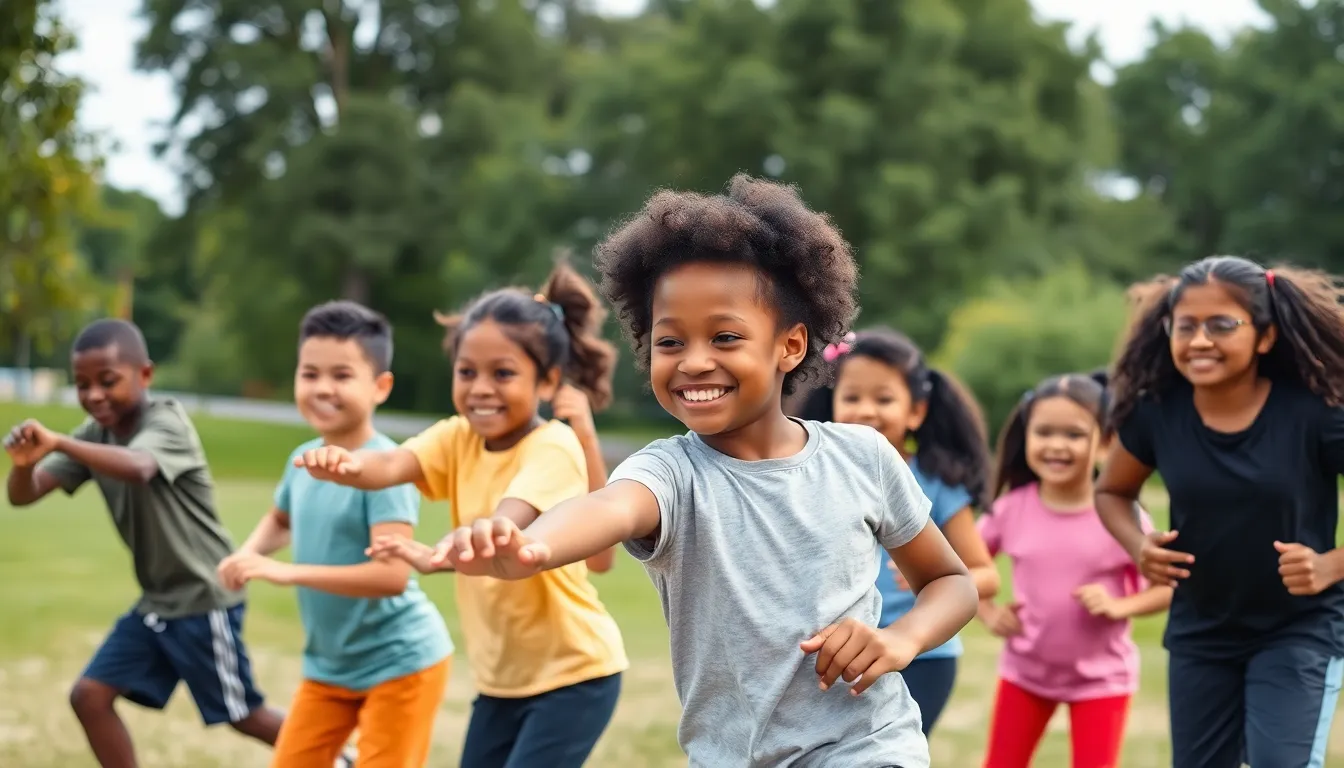
Youth fitness training offers numerous advantages that significantly impact children’s lives. Engaging in structured physical activities promotes healthier lifestyles and fosters overall wellness.
Physical Health Improvements
Physical health shows marked improvement through youth fitness training. Enhanced cardiovascular fitness strengthens hearts and lungs, while increased muscle strength and endurance promote better athletic performance. Flexibility exercises reduce the risk of injuries, allowing children to engage in various sports and activities with confidence. Regular participation helps maintain a healthy weight, combating childhood obesity. Research illustrates that children who are physically active daily demonstrate lower cholesterol levels and improved blood pressure readings. Daily exercise routines cultivate long-term health habits that benefit overall well-being.
Mental Health Benefits
Mental health receives a substantial boost from youth fitness training. Exercise releases endorphins, which elevate mood and reduce feelings of anxiety and depression. Not only do children experience improved self-esteem, but they also develop better resilience in overcoming challenges. Furthermore, participation in team sports and fitness programs enhances social skills, fostering friendships through collaborative efforts. Engaging in physical activities cultivates a sense of accomplishment, promoting a positive body image. Research indicates that active children perform better academically, showcasing the connection between physical and cognitive health. Overall, mental health flourishes alongside physical fitness, creating a balanced lifestyle.
Popular Youth Fitness Training Programs
Engaging youth in fitness training can occur through various structured programs. Children enjoy diverse activities, keeping them motivated and active.
Team Sports
Team sports foster camaraderie while enhancing fitness levels. Activities like soccer, basketball, and baseball improve endurance, strength, and coordination. Participation contributes to developing teamwork and communication skills. Kids learn discipline through practice schedules and game participation. These sports often encourage a strong sense of belonging, which supports a positive self-image and drives continued engagement.
Individual Sports
Individual sports allow children to focus on personal achievement and skill development. Activities such as swimming, gymnastics, and martial arts promote flexibility, strength, and coordination. Advancement through personal goals builds self-esteem and resilience. Many kids thrive on the independence that individual sports offer, as they learn to set and achieve their objectives. Structured progressions often enhance discipline and persistence in these activities.
Group Fitness Classes
Group fitness classes blend fun and community spirit, making exercise enjoyable. Sessions can include Zumba, yoga, and circuit training, targeting various fitness elements. Age-appropriate routines maintain interest while promoting physical health. Dynamic environments encourage social interaction, fostering friendships among participants. Classes often focus on building confidence, self-discipline, and teamwork in a supportive atmosphere.
Nutritional Considerations For Youth
Nutritional needs play a vital role in youth fitness training, ensuring children receive the right fuel for energy and growth.
Importance Of Balanced Diet
A balanced diet forms the foundation of youth fitness. Key components include fruits, vegetables, whole grains, lean proteins, and healthy fats. Each food group offers essential nutrients that support physical activity and overall health. For example, carbohydrates provide energy for play while protein aids in muscle growth and repair. Parents can encourage healthy eating habits by involving kids in meal planning and preparation, making nutritious meals more appealing. Research highlights that children with balanced diets not only perform better in physical activities but also experience improved cognitive function, enhancing their academic performance.
Hydration Strategies
Staying hydrated is crucial for young athletes. Water consumption before, during, and after exercise maintains optimal performance. Young bodies lose fluids through sweat, and replacing these fluids helps prevent dehydration and fatigue. For activities lasting longer than an hour, sports drinks may help replenish electrolytes, but moderation is essential due to sugar content. Teaching children to recognize their thirst can foster lifelong hydration habits. Setting reminders, encouraging water breaks, and using fun water bottles can make hydration enjoyable. Ultimately, proper hydration supports physical performance and overall well-being, reinforcing the benefits of youth fitness training.
Safety Guidelines In Youth Fitness Training
Safety remains a top priority in youth fitness training. Ensuring proper supervision during activities is crucial to prevent injuries. Coaches and trainers must maintain a watchful eye, particularly when children engage in challenging workouts or use equipment.
Participants should wear appropriate footwear and comfortable clothing to support movement. It’s vital to check that the workout environment is free from hazards such as wet floors or obstacles. Regular equipment maintenance helps identify and fix any potential risks.
Proper warm-up and cool-down sessions enhance safety. Engaging in dynamic stretches before activity increases blood flow to muscles, reducing injury risk. Following workouts, static stretching aids recovery and flexibility.
When designing training programs, considering individual fitness levels is essential. Tailored activities help to accommodate differences in strength and endurance among participants. Children should progress gradually in intensity and complexity.
Hydration plays a significant role in performance and safety. Young athletes must drink water regularly, especially in hot weather, to avoid dehydration. Educating them on recognizing thirst signals promotes self-awareness during exercise.
Listening to their bodies is important. Children should understand when to rest or seek help if experiencing pain. Encouraging open communication about discomfort fosters a supportive environment.
Regular health screenings enable trainers to accommodate any underlying conditions. Parents should provide medical histories to help trainers identify specific needs. This information guides safe participation in physical activities, ensuring a beneficial fitness experience.
Overall, adhering to these guidelines enhances safety in youth fitness training, allowing children to enjoy activities while minimizing risks.
Promoting youth fitness training is essential for nurturing healthier generations. By encouraging children to engage in fun physical activities, it cultivates a love for movement that can last a lifetime. The benefits extend beyond physical health, influencing mental well-being and social skills.
Involving parents and creating supportive environments enhances the likelihood of children adopting active lifestyles. With diverse programs available, there’s something for every child, ensuring they remain motivated and engaged.
Focusing on nutrition and safety further strengthens the foundation for lifelong fitness habits. By prioritizing these elements, communities can foster an atmosphere where children thrive both physically and mentally, paving the way for a brighter future.

