Imagine sweating it out with a handful of friends, all while feeling like a superhero in training. Small group fitness training combines the motivation of a team with the personal attention of a one-on-one session. It’s like having your cake and eating it too—if that cake were a protein-packed smoothie!
Overview of Small Group Fitness Training
Small group fitness training creates a unique environment where participants receive personalized attention while enjoying the camaraderie of a group. This setup often comprises three to ten individuals, fostering an engaging and motivating atmosphere. Participants benefit from tailored workouts that cater to their individual fitness levels and goals.
Instructors can provide feedback efficiently, guiding individuals through proper form and technique. This hands-on approach enhances safety during exercises, reducing the risk of injuries. Studies indicate that participants in small group settings exhibit higher levels of adherence to fitness programs due to increased accountability and support.
The social interaction among members plays a significant role in enhancing overall enjoyment and satisfaction in workouts. Participants often experience greater motivation from their peers, which can push them to achieve fitness goals more effectively. Group challenges and friendly competition further stimulate engagement, leading to improved performance.
Training sessions usually incorporate a variety of exercises, including strength training, cardiovascular workouts, and flexibility routines. This diversity keeps workouts interesting and can target different muscle groups, promoting overall fitness. Many small group fitness programs also offer flexibility in scheduling, making it easier for participants to commit to regular sessions.
Investing in small group fitness training yields numerous benefits, including enhanced motivation, increased accountability, and the opportunity to form lasting friendships. Engaging with others who share similar goals fosters a sense of community, making fitness an enjoyable endeavor.
Benefits of Small Group Fitness Training
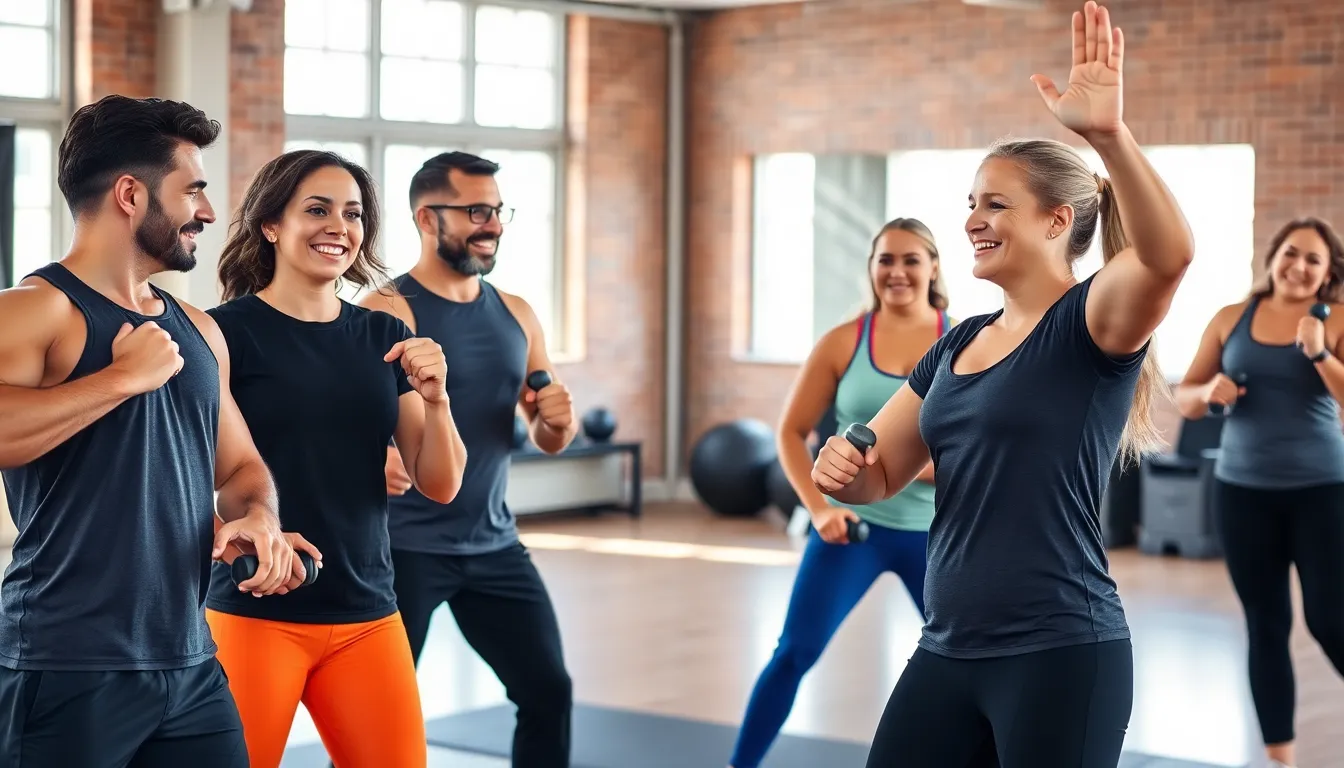
Small group fitness training offers a host of advantages. The structure encourages participants to maximize their potential while enjoying a supportive environment.
Enhanced Motivation and Accountability
In small groups, individuals often feel a stronger sense of commitment to their workout routine. Group dynamics create a culture of encouragement where peers motivate each other. Study findings indicate that participants demonstrate a 30% higher adherence rate to fitness programs in small settings versus larger classes. Accountability among members promotes regular attendance and consistent effort, essential for achieving fitness goals. Each person’s progress, celebrated within the group, reinforces dedication to the journey.
Personalized Attention from Trainers
Trainers in small group settings can focus on the unique needs of each participant. Typically, groups consist of three to ten individuals, allowing trainers to provide specific feedback. This attention improves technique and form, resulting in safer workouts. Customized modifications cater to varying skill levels, making exercises accessible for everyone. Participants benefit from personal guidance without sacrificing the group experience, enhancing both confidence and performance.
Cost-Effectiveness Compared to Personal Training
Small group fitness training often presents a more affordable option than one-on-one sessions. Participants share the trainer’s expertise, typically paying 30% to 50% less than individual training rates. The cost savings do not compromise quality; training remains effective and accommodating. Many people find it easier to commit financially to small group sessions. Offering diverse fitness styles, these programs maximize value by combining individual attention with the camaraderie of group workouts.
Types of Small Group Fitness Classes
Small group fitness classes come in various formats that cater to different goals and preferences. Each type offers unique benefits, enabling participants to choose what suits them best.
High-Intensity Interval Training (HIIT)
HIIT classes involve short bursts of intense exercise followed by brief rest periods. These sessions blend cardiovascular and strength training elements, making them efficient for burning calories. Participants often engage in activities like sprinting, jumping, or strength exercises with little downtime. Research shows that HIIT can burn up to 30% more calories than steady-state workouts in the same duration. This method appeals to those seeking quick, effective workouts that maximize results in minimal time.
Yoga and Pilates
Yoga and Pilates classes emphasize flexibility, core strength, and mindfulness. Both practices focus on controlled movements and breathing techniques. Instructors guide participants through various poses in yoga, promoting relaxation and stress relief. Pilates sessions strengthen the core through targeted exercises, enhancing overall body alignment. Studies indicate that regular practice can improve flexibility and balance by 30% over time. This combination helps participants develop a stronger connection between mind and body while promoting physical well-being.
Functional Training
Functional training classes mimic everyday movements to improve strength and stability. Participants engage in exercises that enhance their ability to perform daily tasks, such as lifting, bending, and reaching. Common exercises include squats, lunges, and kettlebell swings. This training style often utilizes free weights, resistance bands, and body weight for challenging workouts. Research highlights that individuals who participate in functional training experience greater improvements in overall fitness, making it an ideal choice for various fitness levels. Engaging in these classes helps build a solid foundation for all activities, both in and out of the gym.
Choosing the Right Small Group Training Program
Choosing a small group training program involves careful consideration of personal fitness objectives and the qualifications of trainers.
Assessing Your Fitness Goals
Participants should first define their fitness goals clearly. Individuals may seek weight loss, muscle gain, or improved endurance. It’s essential to identify which specific outcomes matter most. Setting realistic and measurable goals can aid in tracking progress. For example, someone aiming to lose 10 pounds in three months has a clear benchmark to evaluate success. Understanding one’s fitness level also plays a crucial role, as different programs cater to various skill sets. A new exerciser might prioritize foundational strength, while an experienced athlete may focus on high-intensity workouts. Mapping out personal goals creates a roadmap for selecting the right training program.
Finding Qualified Trainers
Searching for qualified trainers enhances the effectiveness of small group training. Participants should investigate trainers’ credentials and experience levels. Certifications from organizations like the National Academy of Sports Medicine (NASM) and American Council on Exercise (ACE) indicate expertise. It’s also beneficial to consider trainers’ specialization; some may focus on specific programs, such as HIIT or yoga. Conducting interviews can reveal trainers’ training styles, philosophies, and approach to group dynamics. Engaging with potential trainers provides insights into their methods and compatibility with personal goals. Ensuring the right fit between participants and trainers fosters a positive and effective training environment.
Small group fitness training stands out as an effective and enjoyable way to reach fitness goals. It combines personalized attention with the motivation of a supportive community. Participants benefit from tailored workouts while enjoying the camaraderie that fosters accountability and commitment.
With diverse class options available there’s something for everyone. Whether it’s HIIT for calorie burning or yoga for relaxation, each program caters to different needs. The cost-effectiveness of small group training further enhances its appeal making quality instruction accessible.
Ultimately, this training style not only promotes physical health but also nurtures lasting friendships and a sense of belonging. Embracing small group fitness can transform the workout experience into a fulfilling journey toward wellness.