
In a world where the only thing getting a workout is the remote control, becoming a fitness instructor is like being a superhero—minus the cape but with way more sweat. Picture this: guiding others to crush their goals while you flex your motivational muscles. Fitness instructor training isn’t just about knowing the difference between a squat and a lunge; it’s about inspiring people to unleash their inner athlete.
With the right training, anyone can transform from couch potato to fitness guru. Whether it’s leading a high-energy spin class or perfecting the art of yoga poses, the journey is as rewarding as the results. Get ready to dive into the essentials of fitness instructor training and discover how to turn passion into profession, all while keeping it fun and engaging. After all, who wouldn’t want to make a living helping others break a sweat?
Overview of Fitness Instructor Training
Fitness instructor training encompasses various elements crucial for developing effective trainers. Candidates typically engage in in-depth coursework covering anatomy, physiology, and exercise science. Educational programs often include certifications from reputable organizations, ensuring instructors meet industry standards.
Practical experience stands as another significant aspect. Aspiring fitness instructors participate in supervised training sessions, allowing them to apply theoretical knowledge in real-world scenarios. This hands-on approach helps build essential skills like coaching techniques and class management.
Communication proves vital in this profession. Effective instructors convey complex information clearly, motivating clients during sessions. Mastering this communication enhances the instructor’s ability to connect with diverse populations.
Understanding nutritional principles also enhances an instructor’s effectiveness. Knowledge of proper dietary habits allows instructors to guide clients toward holistic wellness. Many programs incorporate nutrition education as part of their curriculum.
Commitment to ongoing education remains paramount. Trends in fitness and health constantly evolve, requiring instructors to stay updated with the latest techniques and research. Many continue their education through workshops and advanced certifications, ensuring they provide clients with the best possible guidance.
Networking presents an additional benefit of fitness instructor training. Building relationships within the industry promotes opportunities for collaboration and job placements. Engaging with fellow professionals further enriches the overall experience and knowledge base.
Completing fitness instructor training offers a pathway to a rewarding career. Instructors inspire individuals to pursue their fitness goals, making a meaningful impact on their lives. Embracing this journey leads to growth both personally and professionally.
Importance of Certification

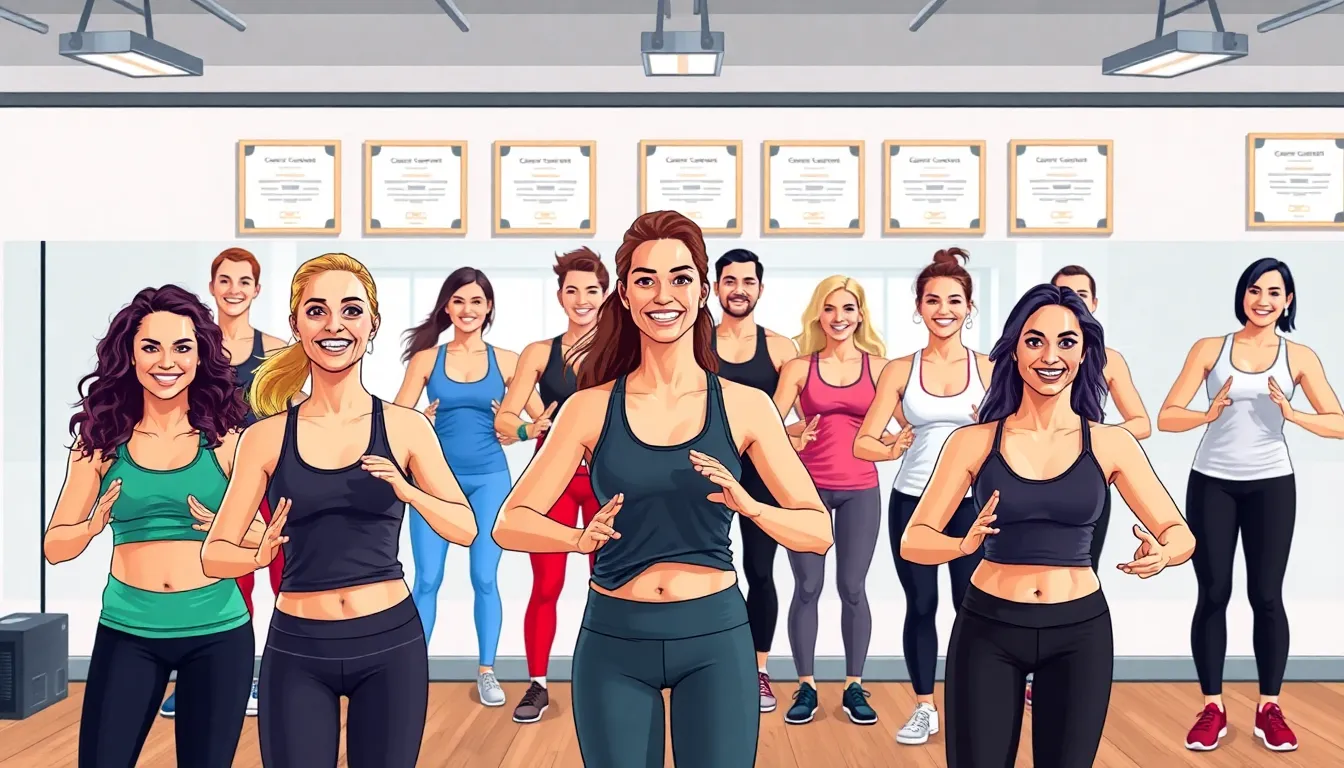
Certification for fitness instructors elevates professional standards in the industry. It demonstrates a commitment to knowledge, skills, and safety.
Types of Certifications
Numerous certifications exist for fitness instructors, catering to various specializations. Organizations like ACE, NASM, and ACSM offer recognized programs. Group fitness certifications focus on leading classes, while personal training certifications emphasize one-on-one coaching. Specialized certifications, such as yoga or Pilates, allow instructors to target specific audiences and enhance their marketability.
Benefits of Being Certified
Being certified provides significant advantages in the fitness industry. Instructors gain credibility with clients, leading to increased trust and retention. Knowledge of best practices ensures safe and effective training sessions. Many gyms and fitness centers require certifications for employment, making them essential for career advancement. Additionally, certified instructors often enjoy higher earning potential and access to continuing education opportunities, keeping their skills relevant in a rapidly evolving field.
Essential Skills for Fitness Instructors
Fitness instructors require a specific skill set to effectively motivate and lead clients. These skills encompass communication, technical expertise, and more.
Communication Skills
Effective communication acts as the foundation for fitness instruction. Instructors must convey complex fitness concepts in a straightforward manner. Listening actively helps in understanding client needs and addressing concerns. Utilizing motivational language keeps clients engaged during workouts. Encouraging feedback fosters a supportive environment, enhancing client relationships. Developing public speaking skills also proves beneficial for leading group classes and workshops. Clarity in instructions prevents misunderstandings and ensures safety during workouts.
Technical Skills
Technical skills form the backbone of any fitness instructor’s training. Understanding human anatomy enables instructors to demonstrate exercises correctly. Proficiency in various training methods equips instructors to offer diverse class styles. Knowledge of injury prevention strategies helps safeguard client wellbeing during sessions. Instructors must stay updated on the latest fitness trends and techniques through ongoing professional development. Familiarity with fitness assessment tools allows for personalized client programming. Mastering nutrition fundamentals also aids in providing comprehensive guidance to clients.
Training Programs and Methods
Fitness instructor training programs vary in format, duration, and cost, providing options for aspiring instructors. Candidates often choose between in-person and online training methods.
In-Person vs. Online Training
Candidates benefit from both in-person and online training programs. In-person training offers hands-on experience, allowing participants to engage directly with instructors. Real-time feedback enhances learning and fosters interaction with fellow trainees. Online training provides flexibility, enabling individuals to study at their own pace. Recorded sessions and virtual workouts serve as resources for understanding course material. Both formats cater to diverse learning preferences and schedules.
Duration and Cost of Programs
Program duration and cost significantly influence candidates’ choices. Training programs typically range from several weeks to six months, depending on the depth and complexity of the curriculum. Basic certification programs often start around $300, while comprehensive courses with additional specializations can exceed $2,000. Candidates should consider the investment against the potential return, including job opportunities and earning potential. Programs offering hands-on experience may demand more resources but often enhance job readiness.
Continuing Education and Specializations
Fitness instructors should engage in continuing education to enhance their knowledge and skills. Various specializations exist, such as group fitness, personal training, and yoga instruction. Each specialization requires specific training and additional certifications to ensure expertise.
Organizations like ACE, NASM, and ACSM offer specialized courses for instructors pursuing these pathways. Certification renewal typically occurs every two to four years, depending on the certifying body. This practice reinforces the commitment to staying current with industry standards and trends.
Networking opportunities present themselves through workshops and conferences, allowing instructors to connect with peers and industry leaders. Interaction with experienced professionals contributes to personal growth and opens doors to collaboration on fitness programs.
Instructors specializing in nutrition, for instance, can provide valuable guidance on dietary choices alongside fitness training. They can enhance client results by offering tailored nutritional advice. Maintaining a focus on evidence-based practices ensures that instructors deliver informed and effective guidance to clients.
Specific specializations may require training beyond initial certification. For example, obtaining a certification in corrective exercise involves advanced knowledge of biomechanics and injury prevention strategies. These skills help instructors cater to clients with unique needs, improving overall safety and effectiveness during workouts.
Active participation in continuing education highlights instructors’ dedication to providing the best service possible. Motivated instructors continuously adapt their teaching methods and keep their knowledge aligned with the latest fitness research. Investing time in education not only improves career prospects but also enhances overall client experiences.
Becoming a fitness instructor is more than just a career choice; it’s a chance to inspire and transform lives. The journey involves gaining essential knowledge and skills that empower instructors to motivate clients effectively. With the right training and certifications, aspiring instructors can elevate their careers while contributing positively to their communities.
Ongoing education and specialization are key to staying relevant in this dynamic field. By embracing continuous learning and networking, fitness instructors can enhance their expertise and client experiences. Ultimately, this fulfilling career path not only allows instructors to achieve personal goals but also helps others reach their fitness potential, creating a ripple effect of health and wellness.

