
Ever wondered what makes your body feel like a well-oiled machine during a workout? Enter erythropoietin, or EPO, the unsung hero of endurance. This hormone is like a personal trainer for your red blood cells, pushing them to deliver oxygen and boost performance. But not all fitness training is created equal when it comes to EPO production.
Overview of Erythropoietin (EPO)
Erythropoietin (EPO) is a critical hormone in athletic performance, promoting the production of red blood cells. These cells transport oxygen, supporting endurance during exercises.
What Is Erythropoietin?
Erythropoietin is a glycoprotein hormone primarily produced in the kidneys. This hormone responds to low oxygen levels in the blood. When oxygen drops, the kidneys release EPO into the bloodstream, stimulating bone marrow to produce more red blood cells. Increased red blood cell levels enhance oxygen delivery to muscles, significantly benefiting endurance athletes and improving overall physical performance.
Role of EPO in the Body
EPO plays a vital role in maintaining adequate oxygen supplies for various body functions. It directly influences the formation of red blood cells, a process known as erythropoiesis. With higher red blood cell counts, oxygen-carrying capacity increases, promoting better energy levels during physical activities. Enhanced endurance and stamina result from the efficient transport of oxygen to tissues, which optimizes athletic performance and recovery. Additionally, EPO regulates the balance of red blood cell production and destruction, ensuring homeostasis within the body.
Types of Fitness Training
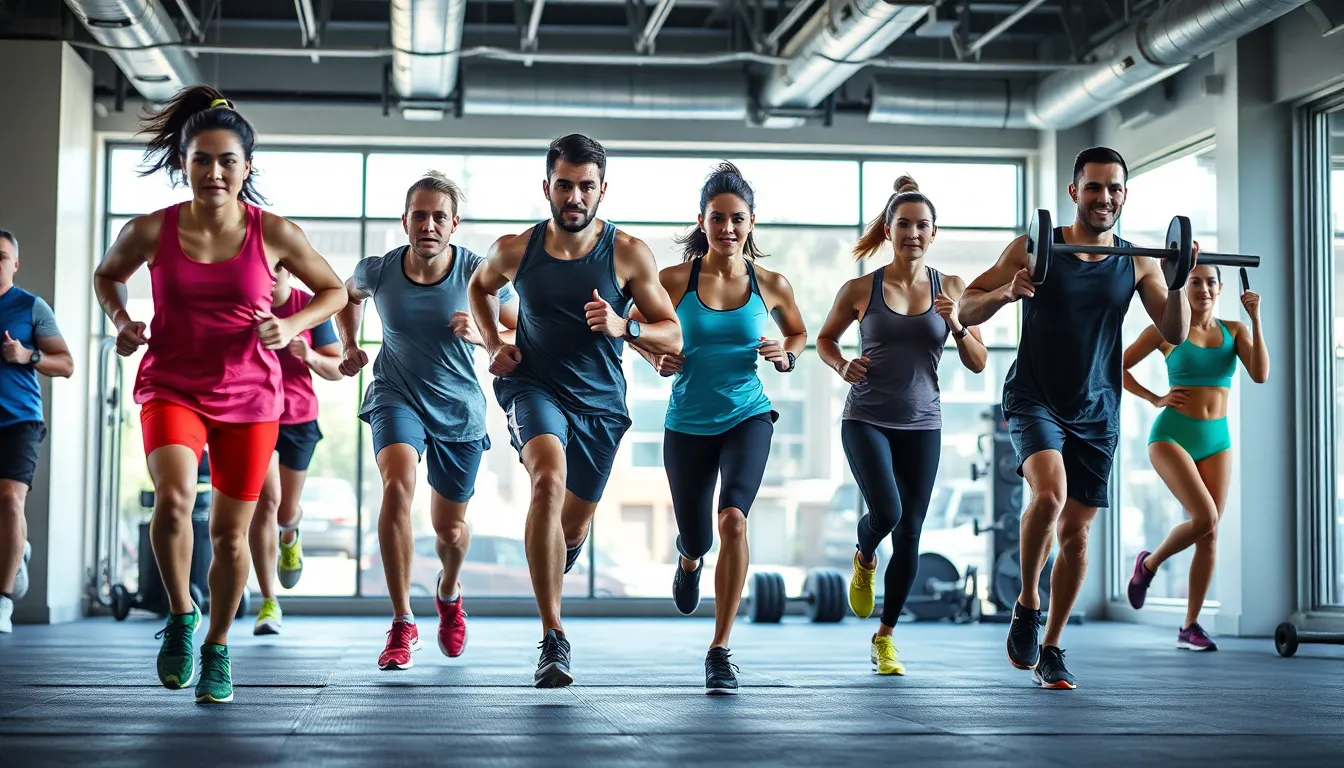
Different types of fitness training influence erythropoietin (EPO) levels in distinct ways. Understanding these can optimize athletic performance.
Aerobic Training
Aerobic training, characterized by prolonged, moderate-intensity activities, enhances cardiovascular fitness. This training type encourages increased oxygen demand, which stimulates EPO production. Activities like running, cycling, and swimming promote better oxygen delivery to muscles. Research indicates that regular aerobic exercise elevates red blood cell counts, improving endurance and stamina. Improvements in aerobic capacity support the overall delivery of oxygen and nutrients, enhancing performance during extended activities.
Resistance Training
Resistance training primarily focuses on building muscle strength through exercises like weight lifting. Although it doesn’t elevate EPO as significantly as aerobic training, it can still contribute to a moderate increase in red blood cell production. Intense strength workouts cause muscle stress, leading to a temporary rise in EPO levels as the body adapts. Incorporating resistance training complements aerobic exercises, leading to overall fitness improvement. A combination of both training types leads to enhanced muscle performance, enabling athletes to train harder and recover quickly.
High-Intensity Interval Training (HIIT)
High-Intensity Interval Training (HIIT) alternates intense bursts of activity with rest or low-intensity phases, greatly impacting EPO levels. This exercise strategy places a high demand on the cardiovascular system, leading to increased oxygen uptake. Studies show that HIIT can significantly elevate EPO, promoting greater red blood cell production than moderate-intensity exercises. Adding HIIT into training regimens results in improvements in both aerobic and anaerobic capacities. Athletes often benefit from increased performance levels and faster recovery times following HIIT sessions.
Effects of Different Training Types on EPO Levels
Different types of fitness training significantly affect erythropoietin (EPO) levels and can enhance athletic performance.
Aerobic Training and EPO Response
Aerobic training consists of extended, moderate-intensity exercises such as running, cycling, and swimming. This type of training boosts cardiovascular fitness and promotes EPO production. Increased oxygen demand during these activities triggers the kidneys to release more EPO into the bloodstream. Enhanced red blood cell production improves oxygen delivery to muscles, increasing endurance and stamina. Studies show that regular aerobic training can elevate EPO levels, leading to better overall athletic performance.
Resistance Training and EPO Response
Resistance training focuses on building strength through activities like weightlifting and bodyweight exercises. While it doesn’t influence EPO levels as dramatically as aerobic training, it can still lead to moderate increases in red blood cell production. Muscle stress during resistance workouts stimulates signaling pathways linked to EPO production. Additionally, enhanced muscle mass improves overall oxygen utilization, benefiting performance. Research indicates that incorporating resistance training alongside aerobic exercises may optimize EPO levels for better athletic outcomes.
HIIT and EPO Response
High-Intensity Interval Training (HIIT) features short bursts of intense exercise followed by rest or low-intensity periods. This training approach significantly raises EPO levels due to its high cardiovascular demands. EPO production increases during and after HIIT sessions, promoting greater red blood cell synthesis. Enhanced aerobic and anaerobic capacities result from the elevated EPO levels, offering athletes improved performance and recovery. Studies highlight HIIT as an effective method to maximize EPO response, benefiting endurance and explosive power in athletes.
Additional Factors Influencing EPO Levels
EPO production fluctuates due to various factors, including nutrition and altitude training. Both play significant roles in regulating erythropoietin levels.
Nutrition and EPO Production
Proper nutrition supports EPO synthesis. Iron-rich foods enhance hemoglobin levels, which is vital for oxygen transport. Athletes should focus on consuming lean meats, beans, and leafy greens to boost iron intake. Vitamin B12 and folate also contribute significantly to red blood cell production. Incorporating whole grains and eggs ensures adequate B vitamins, promoting EPO response. Consuming antioxidants from fruits and vegetables can reduce oxidative stress, further benefiting EPO levels. Overall, a balanced diet rich in these nutrients leads to improved oxygen delivery and athletic performance.
Altitude Training
Altitude training significantly influences EPO levels. Training at higher elevations exposes athletes to lower oxygen levels, prompting increased EPO production from the kidneys. This response enhances red blood cell count and overall oxygen-carrying capacity. Many endurance athletes incorporate altitude training to amplify their performance potential. Typically, exposures to altitudes above 2,400 meters yield optimal results. The enhanced aerobic capacity gained from this method leads to better stamina and endurance during competitions. Consistent altitude adaptation ensures athletes maintain a competitive edge by effectively utilizing their physiological adaptations.
Understanding how different types of fitness training affect erythropoietin levels can significantly enhance athletic performance. Aerobic training stands out as a key driver for EPO production, benefiting endurance athletes by improving oxygen delivery. Meanwhile, resistance training and HIIT also play vital roles in elevating EPO levels, contributing to overall fitness and recovery.
Incorporating a mix of these training modalities can optimize EPO response, leading to increased red blood cell counts and better performance outcomes. Additionally, factors like nutrition and altitude training further influence EPO levels, underscoring the importance of a holistic approach to fitness. By strategically combining these elements, athletes can unlock their full potential and achieve their performance goals.

